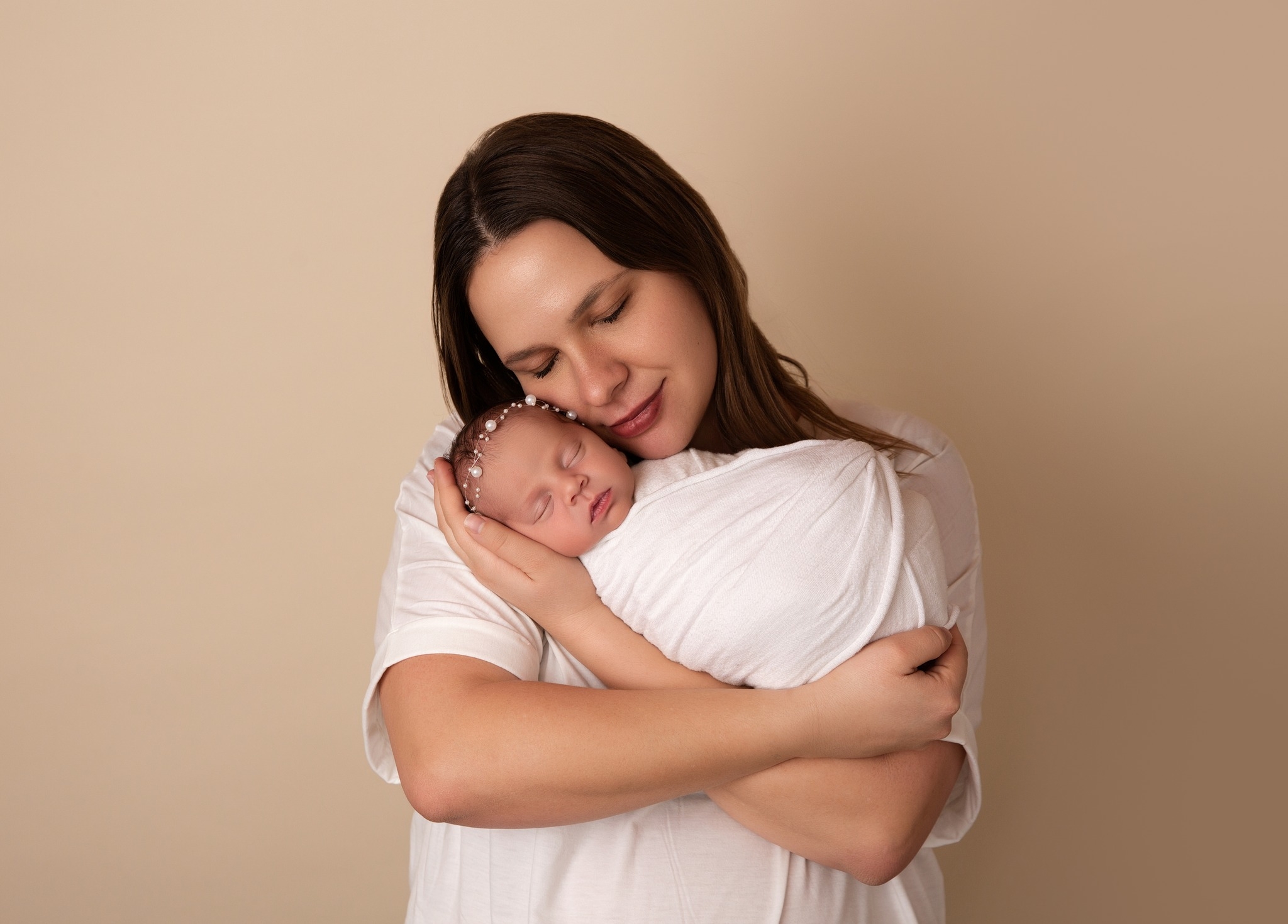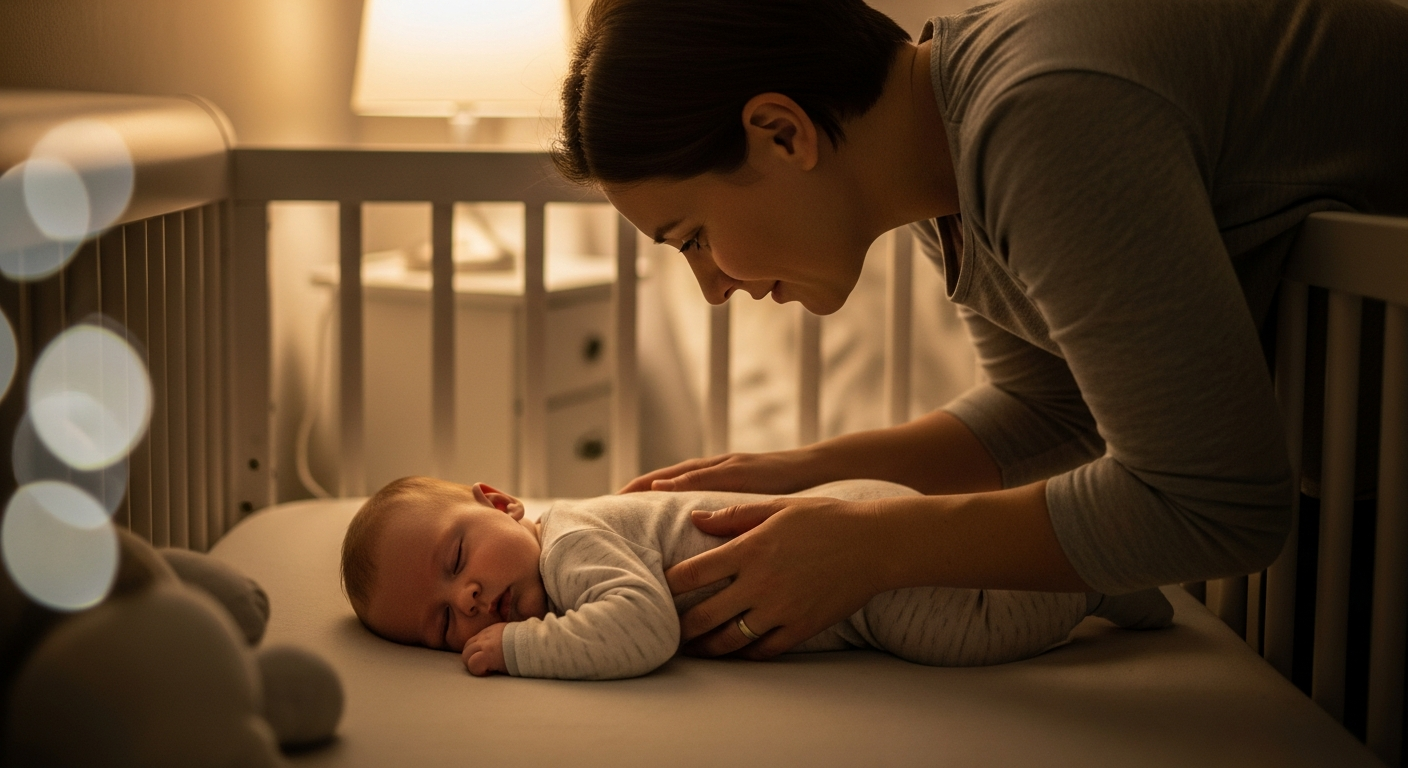
If you've ever wondered why your baby needs to be rocked, nursed, or held to fall asleep--and why they wake up crying the moment you try to put them down--you're dealing with baby sleep associations. Understanding what sleep associations are, how they develop, and how to change them is essential knowledge for any parent struggling with infant sleep challenges.
As a pediatric sleep consultant certified through the Institute of Pediatric Sleep and Parenting, I've helped hundreds of families navigate the complex world of sleep associations. In this comprehensive guide, we'll explore everything you need to know about baby sleep associations--what they are, why they matter, the difference between positive and negative associations, and evidence-based strategies for making changes when needed.
What Are Baby Sleep Associations?
A baby sleep association is any condition, object, or action that your baby connects with falling asleep. Sleep associations are learned behaviors that become part of your baby's sleep routine and expectations. Research published in Sleep Medicine Reviews describes sleep associations as the conditions present at sleep onset that babies learn to depend upon for falling asleep and returning to sleep after normal night wakings.[1]
Every person--adult and child alike--has sleep associations. Adults might need their pillow fluffed a certain way, prefer a cool room, or read before bed. The difference is that adults can recreate these conditions independently if they wake during the night. Babies, however, often cannot recreate the conditions that helped them fall asleep initially, which is why they call out for help when they wake between sleep cycles.
The Science Behind Sleep Associations
To understand why baby sleep associations matter, it helps to understand how sleep works. Babies (and adults) cycle between light and deep sleep multiple times throughout the night. Between each cycle, there's a brief period of wakefulness--so brief that most people don't remember it. During these partial arousals, the brain checks: "Are conditions the same as when I fell asleep?"
If conditions are the same, the brain returns to sleep seamlessly. If conditions are different, the brain may fully wake to investigate and correct the situation. This is why a baby who fell asleep while nursing will often wake crying 45 minutes later--they're no longer nursing, and their brain has registered this change as a problem that needs addressing.[2]
According to pediatric sleep researcher Dr. Jodi Mindell, whose work has been published extensively in peer-reviewed journals, this phenomenon explains why helping babies develop independent sleep skills often dramatically improves night sleep.[3]
Positive vs. Negative Sleep Associations
Not all baby sleep associations are problematic. Sleep experts often categorize associations as "positive" (or "independent") versus "negative" (or "parent-dependent"). Understanding this distinction is crucial for addressing sleep challenges effectively.
Positive (Independent) Sleep Associations
Positive sleep associations are conditions that:
- Remain consistent throughout the sleep period
- Don't require parental intervention to maintain
- Can be recreated by the baby independently
Examples of positive sleep associations include:
- White noise: Runs continuously all night, same at sleep onset as at 3 AM
- Dark room: Remains dark throughout the sleep period
- Sleep sack or swaddle: Stays on the baby all night
- Lovey or comfort object (for babies over 12 months): Remains in the crib
- Thumb or fingers: Always available for self-soothing
- Pacifier (for independent babies): Some babies can find and replace it independently
Negative (Parent-Dependent) Sleep Associations
Negative sleep associations are conditions that:
- Change between sleep onset and during the night
- Require parental intervention to maintain or recreate
- Cannot be recreated by the baby independently
Examples of negative sleep associations include:
- Nursing to sleep: Baby falls asleep at the breast/bottle but wakes without it
- Rocking to sleep: Motion stops when baby is transferred to crib
- Being held to sleep: Parent's arms are removed when baby is put down
- Parental presence: Baby falls asleep with parent in room but wakes alone
- Driving or stroller motion: Movement stops when baby arrives home
- Pacifier (for dependent babies): Falls out and baby can't replace it
A Note on "Negative" Terminology
The term "negative" sleep association can feel judgmental, but it's not meant as a criticism of your parenting. Nursing, rocking, and holding your baby are beautiful, nurturing activities. They only become problematic when they're the only way your baby can fall asleep and when they're causing sleep disruption that affects family wellbeing. The goal isn't to eliminate comforting--it's to help your baby develop multiple pathways to sleep.
How Baby Sleep Associations Form
Understanding how baby sleep associations develop can help you prevent unwanted ones and cultivate helpful ones. Sleep associations form through repetition and conditioning--the same psychological principles that underlie all learning.
The Role of Repetition
Every time your baby experiences a specific condition while falling asleep, the neural pathway connecting that condition to sleep strengthens. After enough repetitions, the association becomes automatic--your baby's brain expects that condition to be present for sleep and may protest when it's not.[4]
This is why consistency matters so much in infant sleep: whatever you do consistently becomes what your baby expects. Do the same thing at every sleep onset, and you're building strong associations. Vary your approach, and associations may not form as firmly.
The Newborn Period
In the first few months of life, babies need significant help falling asleep. Their nervous systems are immature, and they lack the self-regulation skills for independent sleep. During this period, it's appropriate and necessary to help your baby sleep through feeding, rocking, holding, and other soothing methods.
However, as babies mature--typically around 4-6 months--they become capable of learning independent sleep skills. This is when sleep associations that were helpful in the newborn period may become problematic if they're preventing longer sleep stretches.
The 4-Month Sleep Transition
Around 4 months of age, babies undergo a permanent change in sleep architecture. They transition from newborn sleep patterns (falling directly into deep sleep) to adult-like sleep cycles with distinct stages. This is often when parent-dependent sleep associations begin causing significant night waking.[5]
If your baby was sleeping well as a newborn but now wakes frequently, sleep associations are often the culprit. The good news is that this is also the age when babies can begin learning new sleep skills.
Signs That Sleep Associations Are Causing Problems
How do you know if your baby's baby sleep associations are problematic? Consider these signs:
- Frequent night wakings: Baby wakes 3+ times per night and needs parental help to return to sleep
- Short naps: Naps are consistently 30-45 minutes (one sleep cycle) because baby can't connect cycles independently
- Transfer fails: Baby wakes immediately or within minutes of being put down after falling asleep in arms
- Needs the same thing every time: Baby will only fall asleep with nursing, rocking, specific motion, etc.
- Bedtime takes forever: It takes 30+ minutes of intervention to get baby to sleep
- Protests any change: Attempting to put baby down drowsy but awake results in immediate, escalating crying
- Parent exhaustion: You're depleted from the constant demands of helping baby sleep
If these descriptions sound familiar, changing your baby's sleep associations may significantly improve sleep for the whole family.
How to Change Baby Sleep Associations
Changing baby sleep associations requires patience, consistency, and a clear plan. The process involves gradually shifting how your baby falls asleep so they learn to do it independently. There are many approaches, ranging from very gradual to more direct methods.
Before You Begin: Setting the Stage
Before attempting to change sleep associations, ensure you've optimized foundational elements:
- Age appropriateness: Most sleep consultants recommend waiting until at least 4-6 months for formal sleep training. Babies need adequate neurological development for independent sleep.
- Health check: Rule out medical issues like reflux, ear infections, or allergies that could be causing sleep disruption.
- Environment: Optimize the sleep environment with appropriate darkness, temperature, and white noise.
- Schedule: Ensure your baby is on an age-appropriate schedule with proper wake windows. An overtired baby will struggle more with any sleep learning.
- Bedtime routine: Establish a consistent, calming 20-30 minute routine that ends with baby going into the crib awake.
Gradual Approaches to Changing Associations
Gradual methods work by slowly reducing parental involvement over time. These approaches typically involve less crying but take longer to see results.
The Chair Method
Sit in a chair next to the crib while your baby falls asleep. Every few nights, move the chair farther from the crib until you're out of the room. This allows your baby to learn to fall asleep without being held while still having your reassuring presence.
Pick Up/Put Down
When your baby cries, pick them up and comfort them until calm, then put them back in the crib. Repeat as needed. This method provides frequent reassurance while still teaching that sleep happens in the crib.
Gradual Withdrawal from Nursing/Rocking
If your baby nurses or rocks to sleep, gradually reduce the intensity of the association:
- Stop nursing/rocking before baby is fully asleep
- Gradually reduce the time spent nursing/rocking
- Eventually put baby in crib drowsy but awake
- Finally put baby in crib fully awake after the routine
More Direct Approaches
More direct methods involve allowing some crying while providing check-ins or support. These methods typically work faster but may involve more protest in the short term.
Timed Checks (Ferber Method)
Put baby in the crib awake and leave the room. Return at gradually increasing intervals to briefly check on baby without picking up. The check-ins reassure baby (and parent) while teaching that sleep happens independently.
Chair with Minimal Intervention
Similar to the chair method but with less physical intervention. Sit near the crib offering verbal reassurance without picking up or extensive touching.
What to Expect During the Process
Changing baby sleep associations is rarely linear. Expect:
- Protest: Your baby will likely protest the change, at least initially. Crying is their only way to express displeasure with new expectations.
- Extinction burst: Sometimes things get worse before better. Around night 3-4, many babies intensify protests before improving.
- Gradual improvement: Most babies show significant improvement within 1-2 weeks if parents are consistent.
- Setbacks: Illness, travel, teething, and developmental leaps can cause temporary regression. Stay consistent, and sleep typically improves again quickly.
Preventing Unwanted Sleep Associations
If you're reading this with a young baby, you have the opportunity to prevent problematic baby sleep associations from forming in the first place. Here's how:
Vary Your Approach
Don't always use the same method to help your baby fall asleep. Sometimes rock, sometimes nurse, sometimes use motion. This prevents any single method from becoming a rigid requirement.
Practice "Drowsy But Awake"
When possible, put your baby in the crib drowsy but not fully asleep. Even if it doesn't work every time, occasional practice builds the skill over time. Research supports this approach for developing healthy sleep habits.[6]
Optimize the Environment Early
Establish positive sleep associations from the start: white noise, darkness, sleep sack. These become helpful cues that signal sleep time without requiring ongoing parental intervention.
Introduce the Crib for Awake Time
Help your baby develop positive feelings about the crib by using it for happy awake time occasionally. This builds comfort with the sleep space.
The Pacifier Question
Parents often ask whether pacifiers create problematic baby sleep associations. The answer depends on your specific baby:
- If your baby can find and replace the pacifier independently: The pacifier can be a positive sleep association that helps with self-soothing.
- If you're replacing the pacifier multiple times per night: The pacifier has become a parent-dependent sleep association.
For babies who need the pacifier replaced frequently, options include:
- Teaching independent pacifier replacement (usually possible by 6-8 months)
- Scattering multiple pacifiers in the crib so baby can find one
- Weaning the pacifier at sleep times while keeping it for awake soothing
The AAP supports pacifier use at sleep times for the first year due to its protective effect against SIDS.[7] However, this benefit must be weighed against the sleep disruption it may cause for some families.
When to Seek Professional Help
Changing baby sleep associations can be challenging, and many families benefit from professional guidance. Consider reaching out to a certified sleep consultant if:
- You've tried to make changes on your own without success
- You're unsure which approach is right for your family
- Sleep deprivation is affecting your mental health or daily functioning
- Your baby has unique circumstances (medical issues, multiples, etc.)
- You want personalized support and accountability throughout the process
As a consultant certified through the Institute of Pediatric Sleep and Parenting, I provide comprehensive, individualized support to help families navigate sleep challenges. We work together to create a plan that aligns with your parenting values while helping your baby develop healthy sleep skills. Schedule a free discovery call or call (213) 935-0769 to learn how we can help your family sleep better.
Common Concerns About Changing Sleep Associations
"Will my baby feel abandoned?"
Teaching independent sleep does not mean abandoning your baby. You remain responsive to their needs--you're simply teaching them a new skill while providing appropriate support. Research shows that babies whose parents implement consistent sleep training maintain secure attachments.[8]
"Will crying harm my baby?"
Brief periods of protest in the context of responsive parenting and a loving relationship are not harmful. Studies have found no negative effects on infant development, attachment, or stress levels from sleep training.[9]
"What if my baby has a medical issue?"
Always rule out medical issues before sleep training. Reflux, ear infections, food sensitivities, and other conditions can cause sleep disruption that requires treatment, not sleep training. Work with your pediatrician to address any underlying issues first.
"Isn't this just CIO?"
There are many methods for changing sleep associations, and only some involve crying without parental presence. Gradual methods allow you to support your baby throughout the process while still teaching independent skills. Choose an approach that feels right for your family.
The Long-Term View on Sleep Associations
Healthy baby sleep associations set the foundation for lifelong sleep habits. Children who learn to fall asleep independently as babies tend to be better sleepers as toddlers, preschoolers, and beyond. They're more likely to stay in bed at bedtime, sleep through minor disturbances, and return to sleep after normal night wakings without needing parental help.
The investment you make now in teaching healthy sleep habits pays dividends for years to come. Your baby gains a crucial self-regulation skill, and you gain rest, energy, and the ability to be your best self during awake hours.
Final Thoughts
Understanding baby sleep associations is the first step toward better sleep for your family. Whether you're trying to prevent problematic associations from forming or working to change existing ones, knowledge empowers you to make informed decisions.
Remember that there's no single "right" approach--what matters is finding a strategy that works for your baby, aligns with your values, and gets everyone the rest they need. If you're struggling, you don't have to figure it out alone. Professional support can make the journey smoother and more successful.
Reach out today to start your journey toward better sleep, or call us directly at (213) 935-0769.
References
- 1. Mindell, J. A., et al. (2006). Behavioral Treatment of Bedtime Problems and Night Wakings. Sleep Medicine Reviews, 10(4), 227-247. https://pubmed.ncbi.nlm.nih.gov/16890477/
- 2. Sadeh, A., et al. (2009). Sleep and Sleep Ecology in Infancy. Sleep Medicine, 10(7), 771-779. https://pubmed.ncbi.nlm.nih.gov/19201658/
- 3. Mindell, J. A., et al. (2015). Bedtime Routines for Young Children: A Dose-Dependent Association with Sleep Outcomes. Sleep, 38(5), 717-722. https://pubmed.ncbi.nlm.nih.gov/25325483/
- 4. National Sleep Foundation. (2023). Sleep Associations in Infants. https://www.sleepfoundation.org/baby-sleep
- 5. Galland, B. C., et al. (2012). Normal Sleep Patterns in Infants and Children. Seminars in Pediatric Neurology, 19(4), 165-173. https://pubmed.ncbi.nlm.nih.gov/23245609/
- 6. St James-Roberts, I., et al. (2015). Infant Sleeping and Feeding at Night. PLoS One, 10(7), e0133181. https://pubmed.ncbi.nlm.nih.gov/26172390/
- 7. American Academy of Pediatrics. (2022). SIDS and Other Sleep-Related Infant Deaths: Updated 2022 Recommendations. Pediatrics, 150(1), e2022057990. https://publications.aap.org/pediatrics/article/150/1/e2022057990/188304/
- 8. Gradisar, M., et al. (2016). Behavioral Interventions for Infant Sleep Problems. Pediatrics, 137(6), e20151486. https://pubmed.ncbi.nlm.nih.gov/27221288/
- 9. Price, A. M., et al. (2012). Five-Year Follow-up of Infant Sleep Intervention. Pediatrics, 130(4), 643-651. https://pubmed.ncbi.nlm.nih.gov/22966034/
Need Help with Your Baby's Sleep?
Every child is different. Get a personalized sleep plan tailored to your family's unique needs. Call or text Rose directly at (213) 935-0769 for a free 15-minute discovery call.