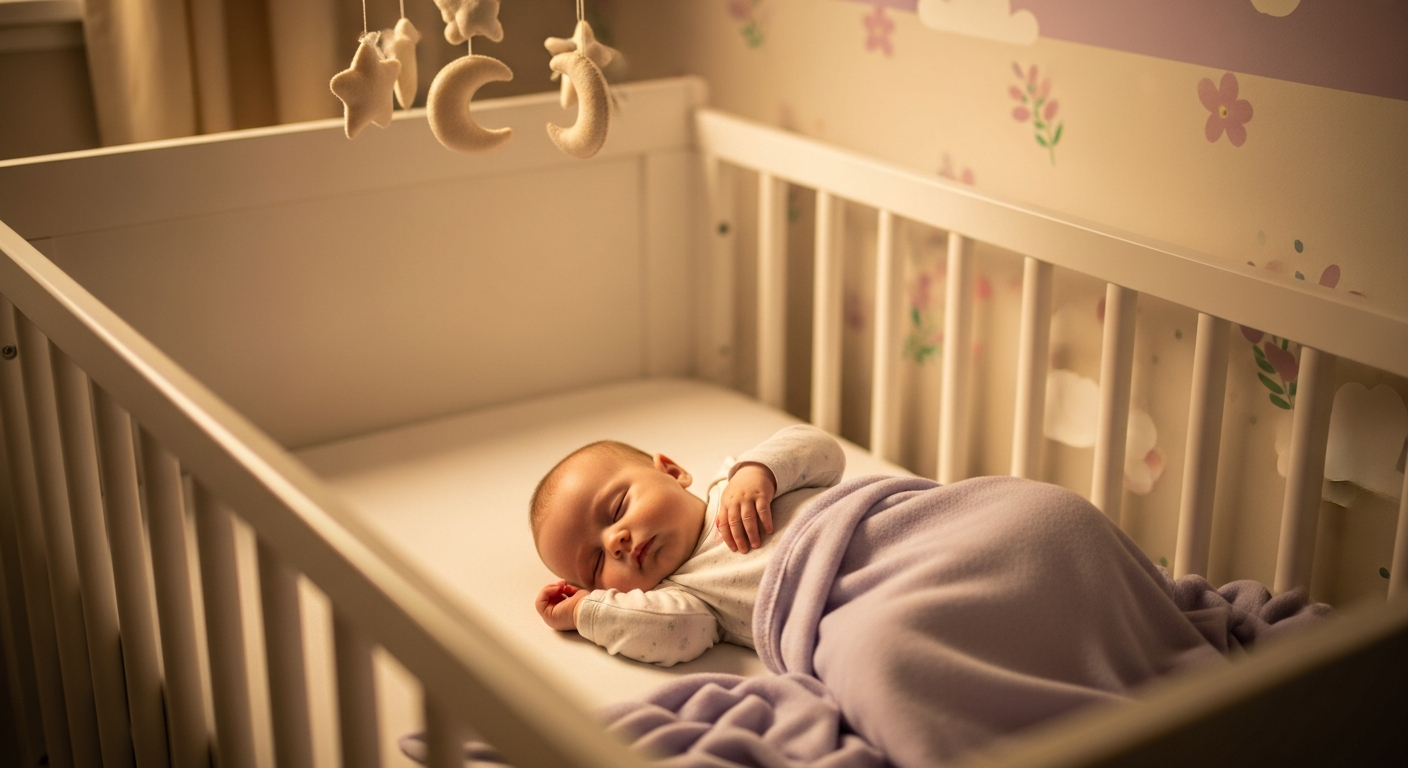

Nothing prepares you for the exhaustion of a baby sleep regression. One week your baby is sleeping through the night, and the next, they're waking every two hours like a newborn again. If you're searching for answers at 2 AM, you're not alone—and this comprehensive guide will help you understand what's happening and what you can do about it.
What Is Baby Sleep Regression?
A baby sleep regression is a period when a baby who was previously sleeping well suddenly begins experiencing frequent night wakings, difficulty falling asleep, shorter naps, or resistance to sleep. Despite the name, a sleep regression isn't actually your baby forgetting how to sleep—it's their brain developing in ways that temporarily disrupt established sleep patterns.[1]
Research from the Journal of Sleep Research shows that infant sleep disturbances are closely tied to developmental milestones.[2] When babies are learning new skills—whether it's rolling over, sitting up, crawling, or understanding language—their brains are processing enormous amounts of information, and this processing often happens during sleep.
Understanding that baby sleep regression is normal and temporary can help reduce the anxiety many parents feel. Your baby isn't broken, and you haven't done anything wrong. This is simply a natural part of development that nearly all babies go through.
Common Ages for Baby Sleep Regression
Baby sleep regression tends to occur at predictable developmental stages. While every child is unique, most babies experience sleep disruptions around these ages:
4 Months: The Big Transition
The 4-month baby sleep regression is often the most challenging because it involves a permanent change in sleep architecture. Around this age, babies transition from newborn sleep patterns (where they fall directly into deep sleep) to more adult-like sleep cycles with distinct stages of light and deep sleep.[3]
This means your baby now experiences more periods of light sleep between deep sleep cycles, making them more likely to wake up. If they relied on being rocked, fed, or held to fall asleep initially, they may need the same help to reconnect sleep cycles—resulting in frequent night wakings.
6 Months: Growing Awareness
Around 6 months, babies become increasingly aware of their surroundings. This heightened awareness, combined with milestones like sitting independently and starting solid foods, can trigger another round of sleep disruption. Teething often begins around this age as well, adding another layer of discomfort that can interfere with sleep.[4]
8-10 Months: Separation Anxiety and Mobility
The 8-10 month baby sleep regression often coincides with major physical milestones like crawling, pulling to stand, and cruising along furniture. Research published in Child Development confirms that motor development is linked to temporary sleep disturbances.[5]
Additionally, separation anxiety typically peaks around 8-10 months. Your baby suddenly understands that you exist even when you're not visible, and they may protest sleep because they don't want to be apart from you.
12 Months: The First Birthday Shift
Around 12 months, babies are often taking their first steps, which brings excitement and new challenges for sleep. Many babies also begin transitioning from two naps to one around this age, which can temporarily throw off their schedule. If you're struggling with your one-year-old's sleep, consider reaching out to us at (213) 935-0769 for guidance.
18 Months: Toddler Territory
The 18-month baby sleep regression often involves increased independence and willpower. Toddlers at this age may refuse to go to bed, testing boundaries and asserting control. Molar teething and language development can also contribute to sleep challenges.[6]
24 Months: The 2-Year-Old Regression
By 2 years, many toddlers experience another round of sleep disruption. This can be triggered by potty training, moving to a toddler bed, the arrival of a new sibling, or simply the continued development of independence and cognitive abilities.
Signs of Baby Sleep Regression
How do you know if your baby is going through a baby sleep regression versus experiencing a different issue? Look for these common signs:
- Increased night wakings: Your baby who was sleeping through the night (or only waking once) is now waking 3, 4, or more times per night
- Difficulty falling asleep: Bedtime that used to take 10 minutes now takes 45 minutes or longer
- Shorter naps: Naps that used to be 1-2 hours are now 30-45 minutes
- Increased fussiness: Your baby seems more irritable, especially around sleep times
- Changes in appetite: Your baby may want to feed more frequently, especially at night
- Clinginess: Your baby wants to be held constantly and protests when put down
These symptoms typically appear together and last for 2-6 weeks. If sleep issues persist beyond 6 weeks or you notice other concerning symptoms, consult your pediatrician to rule out underlying medical issues.[7]
Why Baby Sleep Regression Happens
Understanding the causes of baby sleep regression can help you feel more confident about navigating it. Several factors contribute to these challenging periods:
Brain Development
Your baby's brain is developing at an incredible rate during the first two years of life. During sleep regressions, the brain is often reorganizing itself to accommodate new skills and abilities. This neurological activity can make it harder to settle into sleep and stay asleep.[8]
Physical Milestones
Learning to roll, sit, crawl, stand, and walk are exciting achievements—but they can wreak havoc on sleep. Babies often want to practice their new skills, even at 3 AM. You might find your baby standing in the crib, unable to figure out how to get back down.
Cognitive Development
As your baby's understanding of the world grows, so does their awareness. They may become more interested in their surroundings, making it harder to wind down. They might also develop preferences about how and where they want to sleep.
Teething
While teething alone rarely causes major sleep disruption, it can exacerbate an existing regression. The discomfort of emerging teeth can make it harder for babies to settle and stay asleep.[9]
Separation Anxiety
Separation anxiety is a normal part of development that typically peaks around 8-10 months and again around 18 months. Your baby's growing attachment to you is healthy, but it can make sleep separations more challenging.
How Long Does Baby Sleep Regression Last?
Most baby sleep regression phases last between 2-6 weeks, though the timeline can vary depending on your baby and how you respond. The 4-month regression can sometimes take longer to resolve because it involves permanent changes to sleep architecture.[10]
Several factors influence how long a regression lasts:
- Consistency: Maintaining consistent sleep routines and responses helps babies adjust more quickly
- Sleep environment: A conducive sleep environment (dark, cool, quiet) supports better sleep
- Sleep associations: Babies who can fall asleep independently often navigate regressions more easily
- Overall health: Illness, travel, or other disruptions can extend a regression
How to Survive Baby Sleep Regression
While you can't prevent baby sleep regression, you can take steps to minimize disruption and support your baby through these challenging periods:
1. Maintain Consistent Routines
Keep your bedtime routine consistent. The predictability of a calming routine—bath, pajamas, book, song, bed—helps signal to your baby's brain that sleep is coming. Research shows that consistent bedtime routines improve sleep outcomes in infants.[11]
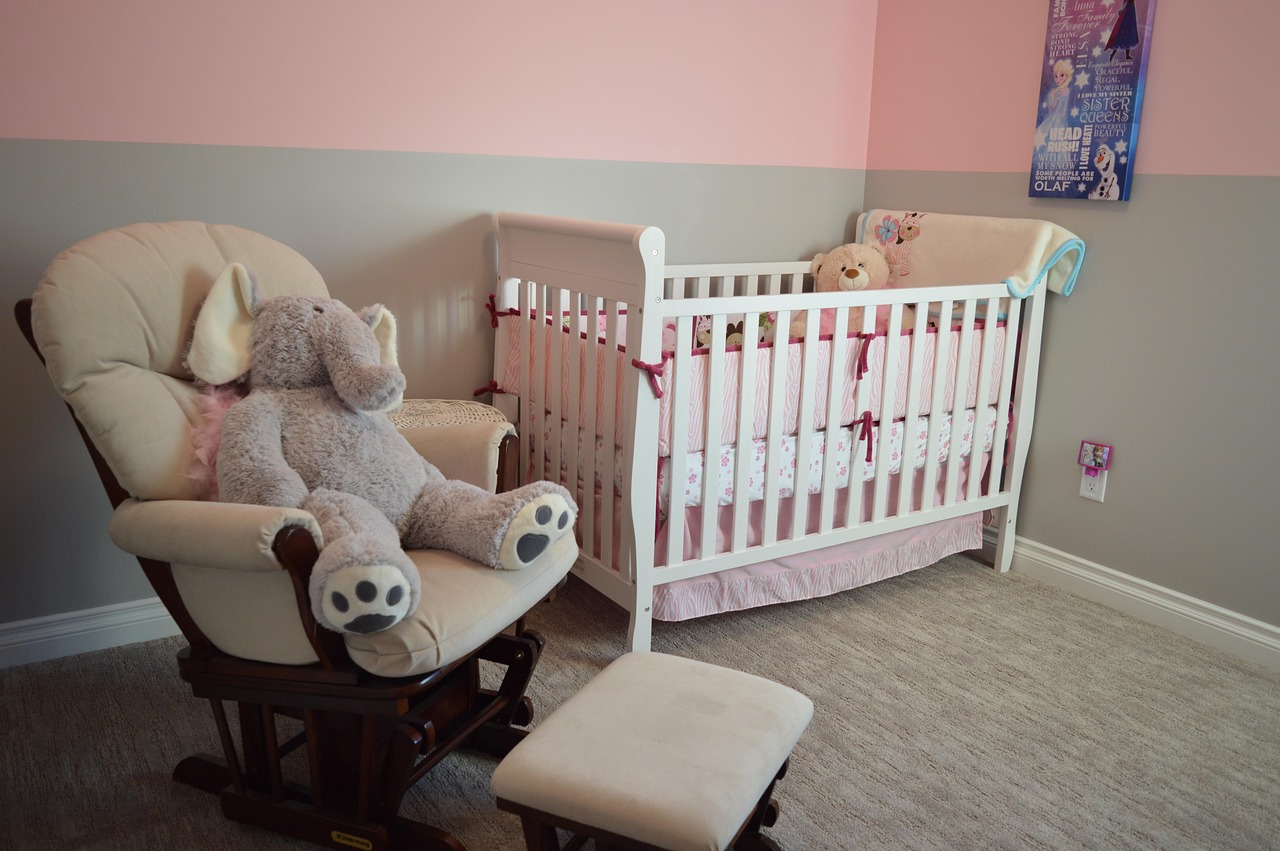
2. Optimize the Sleep Environment
Create an ideal sleep space:
- Keep the room dark (blackout curtains help)
- Maintain a cool temperature (68-72°F is ideal)
- Use white noise to mask disruptive sounds
- Follow safe sleep guidelines[12]
3. Watch Wake Windows
An overtired baby has a harder time falling asleep and staying asleep. Pay attention to your baby's sleepy cues and aim to put them down before they become overtired. Wake windows vary by age, but most babies do best with age-appropriate awake periods between sleep.
4. Offer Extra Comfort—Within Limits
It's okay to offer additional comfort during a regression, but try to avoid creating new sleep associations you'll need to break later. If you find yourself nursing or rocking your baby to sleep multiple times per night and feeling exhausted, it might be time to consider sleep training.
5. Take Care of Yourself
Your wellbeing matters. Sleep deprivation affects your mental health, relationship, and ability to parent effectively. Accept help when offered, sleep when the baby sleeps if possible, and don't hesitate to reach out for professional support.
When to Seek Professional Help
While most baby sleep regression phases resolve on their own, some families benefit from professional guidance. Consider reaching out for help if:
- Sleep issues persist beyond 6 weeks
- You're experiencing symptoms of postpartum depression or anxiety
- Your baby seems to be in pain or discomfort
- Sleep deprivation is affecting your daily functioning or safety
- You've tried various strategies without improvement
A certified pediatric sleep consultant can help you develop a personalized plan that respects your parenting style while teaching your baby healthy sleep habits. At Rose Sleep Co, we offer gentle, evidence-based approaches tailored to your family's needs. Schedule a free discovery call to learn how we can help.
The Good News About Baby Sleep Regression
Baby sleep regression is exhausting, but it's also a sign that your baby is developing exactly as they should. Each regression typically corresponds with exciting new abilities and understanding. Your baby is growing, learning, and changing—and that's something to celebrate, even at 3 AM.
Remember that this phase is temporary. With patience, consistency, and the right support, your baby will return to better sleep. And if you need help navigating this challenging time, we're here for you. Contact Rose Sleep Co at (213) 935-0769 for personalized guidance and support.
References
- 1. Mindell, J. A., & Owens, J. A. (2015). A Clinical Guide to Pediatric Sleep: Diagnosis and Management of Sleep Problems (3rd ed.). Wolters Kluwer.
- 2. Scher, A. (2005). Infant sleep at 10 months of age as a window to cognitive development. Early Human Development, 81(3), 289-292. https://doi.org/10.1016/j.earlhumdev.2004.07.005
- 3. Henderson, J. M., France, K. G., Owens, J. L., & Blampied, N. M. (2010). Sleeping through the night: The consolidation of self-regulated sleep across the first year of life. Pediatrics, 126(5), e1081-e1087. https://doi.org/10.1542/peds.2010-0976
- 4. Galland, B. C., Taylor, B. J., Elder, D. E., & Herbison, P. (2012). Normal sleep patterns in infants and children: A systematic review of observational studies. Sleep Medicine Reviews, 16(3), 213-222. https://doi.org/10.1016/j.smrv.2011.06.001
- 5. Scher, A., & Cohen, D. (2005). Sleep as a mirror of developmental transitions in infancy: The case of crawling. Monographs of the Society for Research in Child Development, 80(1), 70-88.
- 6. Touchette, É., Petit, D., Paquet, J., et al. (2005). Factors associated with fragmented sleep at night across early childhood. Archives of Pediatrics & Adolescent Medicine, 159(3), 242-249. https://doi.org/10.1001/archpedi.159.3.242
- 7. Owens, J. A., & Mindell, J. A. (2011). Pediatric insomnia. Pediatric Clinics of North America, 58(3), 555-569. https://doi.org/10.1016/j.pcl.2011.03.011
- 8. Kurth, S., Ringli, M., Geiger, A., LeBourgeois, M., Jenni, O. G., & Huber, R. (2010). Mapping of cortical activity in the first two decades of life: A high-density sleep electroencephalogram study. The Journal of Neuroscience, 30(40), 13211-13219. https://doi.org/10.1523/JNEUROSCI.2532-10.2010
- 9. Macknin, M. L., Piedmonte, M., Jacobs, J., & Skibinski, C. (2000). Symptoms associated with infant teething: A prospective study. Pediatrics, 105(4), 747-752. https://doi.org/10.1542/peds.105.4.747
- 10. Jenni, O. G., & Carskadon, M. A. (2012). Sleep behavior and sleep regulation from infancy through adolescence: Normative aspects. Sleep Medicine Clinics, 7(3), 529-538. https://doi.org/10.1016/j.jsmc.2012.06.002
- 11. Mindell, J. A., Telofski, L. S., Wiegand, B., & Kurtz, E. S. (2009). A nightly bedtime routine: Impact on sleep in young children and maternal mood. Sleep, 32(5), 599-606. https://doi.org/10.1093/sleep/32.5.599
- 12. Moon, R. Y., & Task Force on Sudden Infant Death Syndrome. (2016). SIDS and other sleep-related infant deaths: Evidence base for 2016 updated recommendations for a safe infant sleeping environment. Pediatrics, 138(5), e20162940. https://doi.org/10.1542/peds.2016-2940