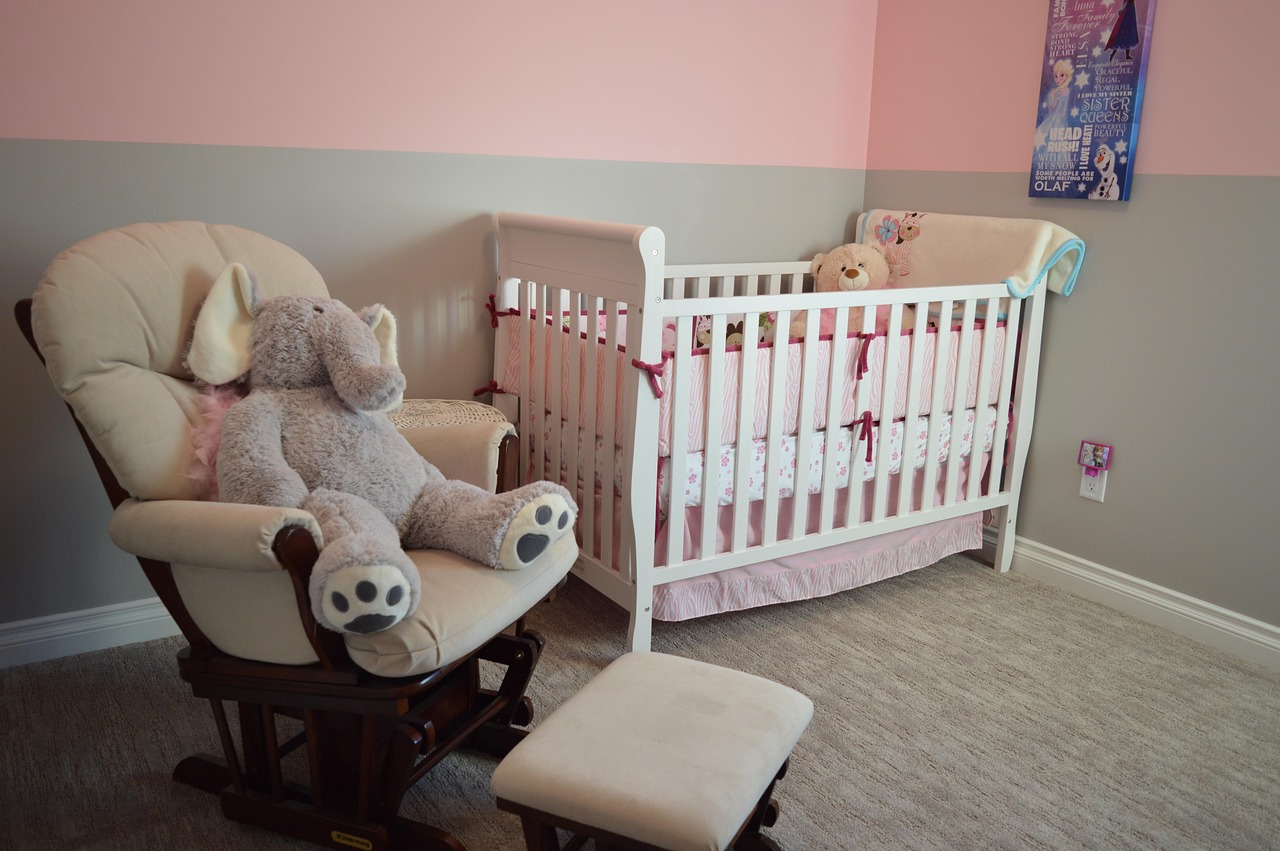

Is your previously good sleeper suddenly waking up throughout the night? Are naps becoming a battle? You might be wondering if this is a phase or something more. Understanding the sleep regression signs can help you identify what's happening and respond effectively.
What Are Sleep Regression Signs?
Sleep regression signs are the tell-tale symptoms that indicate your baby is going through a developmental period that's affecting their sleep. While every baby experiences regressions differently, there are common patterns that most parents will recognize.[1]
Sleep regressions typically occur at predictable developmental stages: around 4 months, 6 months, 8-10 months, 12 months, 18 months, and sometimes at 2 years. Each regression has its own triggers, but the sleep regression signs are often similar across ages.
The 8 Most Common Sleep Regression Signs
Here are the primary sleep regression signs to watch for:
1. Increased Night Wakings
The most obvious sign of a sleep regression is when your baby who was sleeping longer stretches suddenly starts waking multiple times per night. You might notice:
- Waking every 1-2 hours when they previously slept 4-6 hours
- Difficulty returning to sleep after waking
- Needing more intervention (feeding, rocking, holding) to fall back asleep
- Waking fully (crying, calling out) rather than just stirring
Research shows that night waking patterns are closely linked to developmental milestones, with significant increases in waking frequency occurring around the same time as major motor or cognitive achievements.[2]
2. Difficulty Falling Asleep
Another key indicator among sleep regression signs is when bedtime becomes a struggle. This might look like:
- Bedtime taking 45 minutes or longer when it used to take 15
- Baby seeming tired but fighting sleep
- Multiple attempts to put baby down
- Crying or protesting when placed in the crib
- Requiring extra soothing to settle
3. Shortened Naps
Short naps are a classic symptom of sleep regression. You may notice:
- Naps lasting only 30-45 minutes (one sleep cycle) instead of 1-2 hours
- Baby waking after one sleep cycle and seeming unable to go back to sleep
- Difficulty falling asleep for naps
- Needing motion (stroller, car, carrier) to nap when that wasn't necessary before
Short naps during regression are often related to the same sleep cycle transitions that cause night waking. Babies who haven't learned to connect sleep cycles independently will wake after 30-45 minutes and struggle to continue sleeping.[3]
4. Changes in Appetite
One of the more confusing sleep regression signs is a change in eating patterns. You might observe:
- Increased hunger, especially at night
- Wanting to feed more frequently during the day
- Using feeding as a primary comfort mechanism
- Distracted feeding during the day (due to developmental awareness)
It's normal for babies to need some extra calories during growth spurts, which often coincide with sleep regressions. However, if night feeding increases dramatically and persists, your baby may be developing an association between eating and falling asleep.[4]
5. Increased Fussiness and Irritability
Sleep-deprived babies (like sleep-deprived adults) are often irritable. During a sleep regression, you may notice:
- More crying and fussing throughout the day
- Difficulty being put down
- Increased clinginess
- Meltdowns over small things
- Hyperactivity or "wired" behavior (especially when overtired)
6. Practicing New Skills
One of the unique sleep regression signs is seeing your baby practice new skills at inappropriate times. This might include:
- Rolling over in the crib when they should be sleeping
- Sitting up or standing in the crib
- Crawling around the sleep space
- Babbling or "talking" instead of sleeping
- Playing with hands, feet, or crib elements
Research confirms that motor development is strongly linked to sleep disruption. Babies often want to practice their exciting new abilities, even at 2 AM.[5]
7. Separation Anxiety
Particularly around 8-10 months and 18 months, separation anxiety intensifies and becomes one of the prominent sleep regression signs:
- Crying when placed in the crib
- Protesting when you leave the room
- Wanting to be held constantly
- Waking and immediately calling for you
- Difficulty being soothed by anyone other than primary caregivers
Separation anxiety is a normal developmental phase that indicates healthy attachment. Your baby has learned that you exist even when they can't see you, and they prefer to have you nearby.[6]
8. Changes in Sleep Schedule
During regressions, your baby's ideal sleep schedule may shift. Watch for:
- Needing more frequent naps
- Fighting one or more naps
- Bedtime resistance at the usual time
- Earlier or later wake times
- Overall schedule feeling "off"
How to Tell If It's Really a Sleep Regression
Not every sleep disturbance is a regression. Here's how to distinguish sleep regression signs from other issues:
Timing Matters
Sleep regressions typically occur around specific developmental milestones (4, 6, 8-10, 12, 18, and 24 months). If your baby is showing sleep disruption at 7 months with no obvious milestone, consider other causes.
Look for Developmental Changes
True regressions coincide with observable development. Is your baby:
- Learning a new physical skill?
- Showing new cognitive abilities?
- Developing new social awareness?
- Experiencing changes in language development?
Rule Out Other Causes
Before concluding it's a regression, consider:
- Illness: Ear infections, colds, and other illnesses disrupt sleep
- Teething: While teething alone rarely causes major sleep issues, it can exacerbate existing problems
- Environmental changes: Travel, daylight savings, room changes
- Schedule issues: Wake windows that are too long or too short
- Hunger: Growth spurts may require additional feeding
If you're unsure what's causing your baby's sleep issues, consulting with a pediatric sleep consultant can help identify the root cause. Schedule a free discovery call with Rose Sleep Co for personalized guidance.
What to Do When You Notice Sleep Regression Signs
Recognizing sleep regression signs is the first step. Here's how to respond:
Stay Calm
Remember that regressions are temporary and developmentally normal. Your baby isn't broken, and you haven't done anything wrong.
Maintain Consistency
Keep your routines as consistent as possible. The predictability helps your baby feel secure even when their sleep is disrupted.
Offer Extra Comfort
It's okay to provide additional comfort during a regression, but try not to create new sleep associations you'll need to break later.
Adjust Expectations
During a regression, your baby may need more daytime sleep, earlier bedtimes, or additional feeds. Be flexible while maintaining your core routines.
Take Care of Yourself
Sleep deprivation is hard on parents. Accept help, rest when possible, and remember this phase won't last forever.
When Sleep Regression Signs Persist
Most regressions resolve within 2-6 weeks. If sleep regression signs persist beyond this timeline, or if you're struggling to cope, professional help is available.
At Rose Sleep Co, we specialize in helping families navigate sleep challenges. Whether you're in the middle of a regression or dealing with long-standing sleep issues, we can help. Call or text (213) 935-0769 for a free discovery call.
Understanding sleep regression signs empowers you to respond with confidence and compassion. While these phases are challenging, they're also evidence that your baby is growing and developing exactly as they should.
References
- 1. Mindell, J. A., & Owens, J. A. (2015). A Clinical Guide to Pediatric Sleep: Diagnosis and Management of Sleep Problems (3rd ed.). Wolters Kluwer.
- 2. Scher, A., & Cohen, D. (2005). Sleep as a mirror of developmental transitions in infancy: The case of crawling. Monographs of the Society for Research in Child Development, 80(1), 70-88.
- 3. Jenni, O. G., & Carskadon, M. A. (2012). Sleep behavior and sleep regulation from infancy through adolescence: Normative aspects. Sleep Medicine Clinics, 7(3), 529-538. https://doi.org/10.1016/j.jsmc.2012.06.002
- 4. Sadeh, A., Tikotzky, L., & Scher, A. (2010). Parenting and infant sleep. Sleep Medicine Reviews, 14(2), 89-96. https://doi.org/10.1016/j.smrv.2009.05.003
- 5. Scher, A. (2005). Infant sleep at 10 months of age as a window to cognitive development. Early Human Development, 81(3), 289-292. https://doi.org/10.1016/j.earlhumdev.2004.07.005
- 6. Bowlby, J. (1969). Attachment and Loss: Vol. 1. Attachment. Basic Books.