If your baby won't sleep through the night, you're not alone. Night wakings are one of the most common concerns parents bring to pediatricians and sleep consultants. While some babies begin sleeping longer stretches early, others continue waking frequently well into toddlerhood. This guide will help you understand why your baby keeps waking and what you can do to encourage more consolidated sleep.
What Does "Sleeping Through the Night" Actually Mean?
Before we dive into why your baby won't sleep through the night, let's clarify what this phrase actually means. Pediatric sleep researchers typically define "sleeping through the night" as sleeping for a stretch of 5-6 hours—not necessarily 12 hours as many parents hope for.[1]
Research published in Pediatrics found that by 6 months of age, approximately 57% of babies sleep for a 6-hour stretch, and by 12 months, this increases to about 72%. However, this means a significant percentage of babies continue to wake at night even at 12 months old.[2]
It's also important to know that "sleeping through the night" doesn't mean a baby never wakes. All humans—babies and adults—experience brief arousals between sleep cycles. The difference is that some babies can settle themselves back to sleep without signaling for help, while others cannot.
Why Your Baby Won't Sleep Through the Night
There are many reasons why a baby won't sleep through the night. Understanding the underlying cause is essential for finding the right solution:
1. Developmental Stage
Young babies are biologically designed to wake frequently. Newborns have small stomachs and need to eat every 2-4 hours. Even after the newborn stage, developmental factors affect sleep:[3]
- 0-3 months: Irregular sleep patterns are normal and expected
- 4-6 months: Sleep architecture changes, leading to more night wakings for some babies
- 6-12 months: Many babies can go longer without feeding but may wake for other reasons
- 12+ months: Night wakings often relate to habits rather than biological needs
2. Sleep Associations
One of the most common reasons a baby won't sleep through the night is sleep associations. If your baby falls asleep with your help—nursing, rocking, bouncing, or being held—they may need that same help every time they transition between sleep cycles (every 45 minutes to 2 hours).[4]
3. Hunger
While many babies can go 6-8 hours without feeding by 4-6 months (assuming adequate daytime calories and appropriate weight gain), some babies genuinely need night feeds longer.
4. Schedule Issues
An inappropriate daytime schedule can significantly impact night sleep. Overtiredness, undertiredness, and late bedtimes all contribute to night waking.
5. Sleep Environment
Environmental factors like room brightness, temperature, and noise can all cause night waking.
What to Do When Your Baby Won't Sleep Through the Night
1. Ensure Adequate Daytime Calories
Babies who eat well during the day are more likely to sleep well at night.
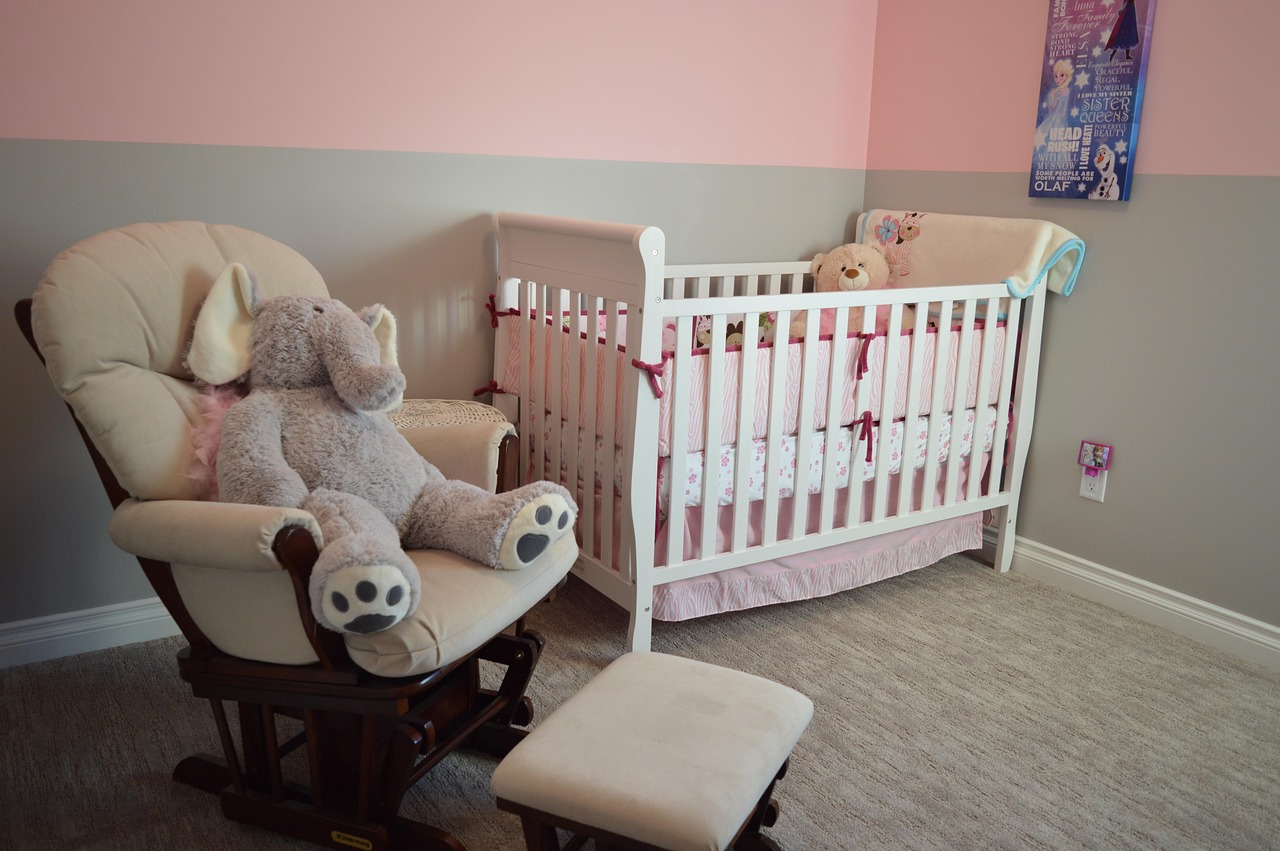
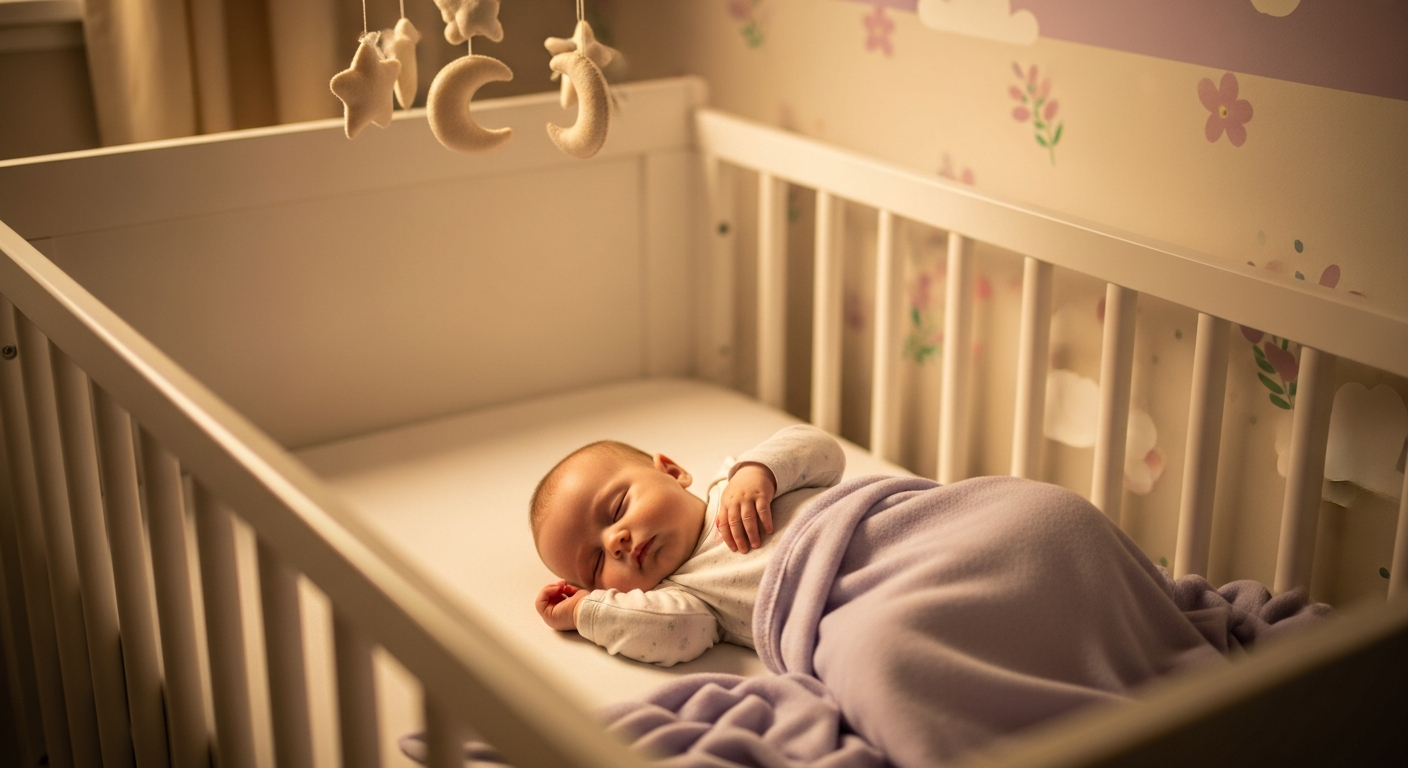
2. Create an Optimal Sleep Environment
Set up your baby's room for sleep success with darkness, cool temperature (68-72°F), and white noise.[5]
3. Establish a Consistent Bedtime Routine
A predictable bedtime routine signals to your baby that sleep is coming.[6]
4. Work on Independent Sleep Skills
If your baby won't sleep through the night because of sleep associations, working on independent sleep skills can make a significant difference.
When to Seek Professional Help
Consider reaching out if sleep issues persist beyond 6 months, or if sleep deprivation is affecting your health. At Rose Sleep Co, we specialize in helping families overcome sleep challenges. Book a free discovery call or call (213) 935-0769.
References
- 1.Mindell, J. A., & Owens, J. A. (2015). A Clinical Guide to Pediatric Sleep. Wolters Kluwer.
- 2.Henderson, J. M., et al. (2010). Sleeping through the night. Pediatrics, 126(5), e1081-e1087.
- 3.Galland, B. C., et al. (2012). Normal sleep patterns in infants. Sleep Medicine Reviews, 16(3), 213-222.
- 4.Sadeh, A., et al. (2010). Parenting and infant sleep. Sleep Medicine Reviews, 14(2), 89-96.
- 5.Moon, R. Y. (2016). SIDS and sleep-related infant deaths. Pediatrics, 138(5), e20162940.
- 6.Mindell, J. A., et al. (2009). A nightly bedtime routine. Sleep, 32(5), 599-606.