
Early morning wakings baby issues are among the most frustrating sleep challenges parents face. While 7:00 AM might be acceptable, 4:30 or 5:00 AM wake-ups feel brutally early. This guide provides a deep dive into why early morning wakings happen and how to shift your baby's internal clock.
Understanding Early Morning Wakings
Early morning wakings baby problems occur when a baby consistently wakes before 6:00 AM, often appearing tired and fussy.[1]
The early morning hours (4:00-6:00 AM) are vulnerable for sleep. Sleep pressure is low, melatonin is declining, and cortisol is rising—making it easy to wake and hard to fall back asleep.
Common Causes
1. Light Exposure
Even small amounts of early morning light can trigger waking.[2]
2. Sleep Debt (Overtiredness)
Elevated cortisol from sleep debt can lead to early wakings.
3. Undertiredness
Too much daytime sleep means less nighttime sleep needed.
4. Sleep Associations
Sleep is lighter in the early morning, making self-soothing more difficult.[3]
5. Habit/Circadian Rhythm
Reinforced early waking can become a set point in your baby's circadian rhythm.[4]
Solutions
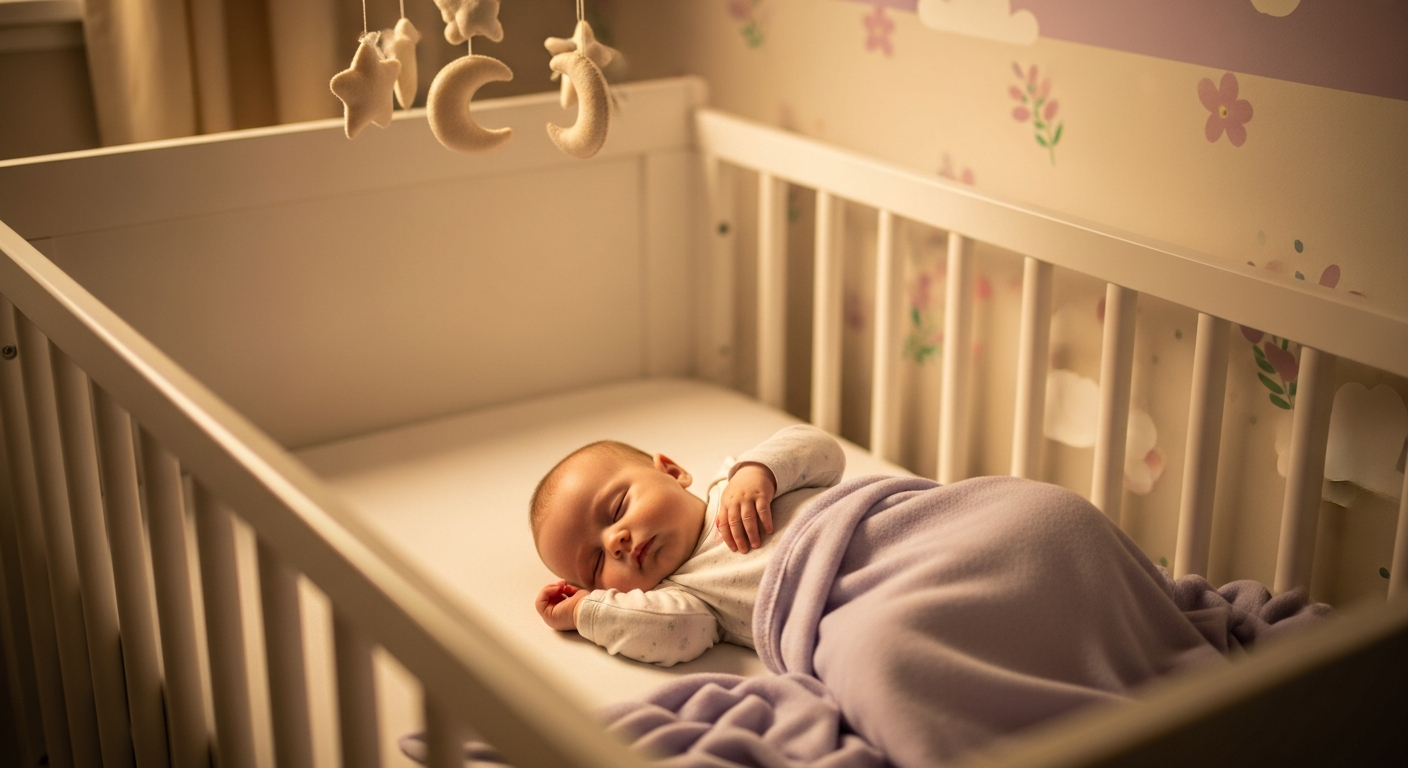
1. Create Complete Darkness
The room should be as dark at 5:00 AM as at midnight.[5]
2. Use Consistent White Noise
Run continuously all night, not on a timer.
3. Experiment with Bedtime
Try 15-minute adjustments in either direction.
4. Treat Early Wakings as Night Wakings
Keep the room dark, interactions minimal, and don't start the day until your target wake time.
5. Be Patient
Early morning wakings baby issues often take 2-4 weeks of consistent effort to improve.
At Rose Sleep Co, we have experience solving stubborn early waking cases. Schedule a free discovery call or call (213) 935-0769.
References
- 1.Mindell, J. A., & Owens, J. A. (2015). A Clinical Guide to Pediatric Sleep. Wolters Kluwer.
- 2.Crowley, S. J., et al. (2007). Light effects on circadian rhythms. Sleep Medicine Reviews, 11(2), 163-178.
- 3.Sadeh, A., et al. (2010). Parenting and infant sleep. Sleep Medicine Reviews, 14(2), 89-96.
- 4.Jenni, O. G., & Carskadon, M. A. (2012). Sleep behavior and regulation. Sleep Medicine Clinics, 7(3), 529-538.
- 5.Harrison, Y. (2004). Daytime light exposure and night-time sleep. Journal of Sleep Research, 13(4), 345-352.